

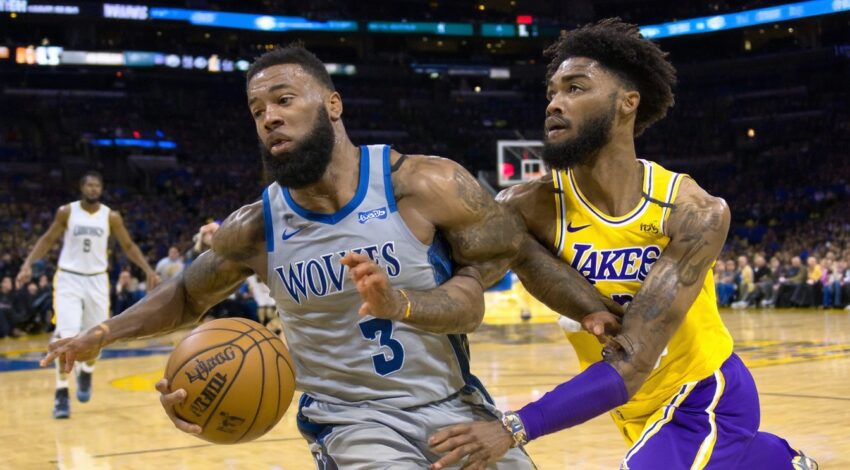
The rivalry between the Minnesota Timberwolves and the Los Angeles Lakers embodies much of what makes NBA basketball so compelling: underdog ambition versus established legacy, seismic playoff moments, and iconic stars whose careers intertwine. Although the Timberwolves are one of the NBA’s younger franchises, their battles with the storied Lakers have left a profound mark on both teams’ histories and energized fans across generations. This timeline traces the trajectory of their relationship—punctuated by defining games, superstar matchups, and evolving team identities.
The Genesis of a North-South NBA Rivalry
When the NBA granted Minnesota an expansion franchise in 1989, the Lakers had already cemented themselves as the league’s gold standard. Los Angeles had a deeply rooted following, a trophy-laden legacy, and a cultural impact that stretched far beyond sports. In contrast, the Timberwolves arrived as underdogs, eager to earn respect and a place in the national conversation.
Their regular-season meetings through the 1990s rarely rose above routine; the Lakers, led by stars such as Magic Johnson (and later the emerging Kobe Bryant and Shaquille O’Neal), typically overpowered the youthful Minnesota squad. Still, the Timberwolves were quietly building an identity anchored around the once-in-a-generation talent of Kevin Garnett, who arrived in 1995.
“Rivalries aren’t born from geography alone—they need defining moments,” observes longtime NBA analyst Marc Spears. “When Garnett started pushing the Timberwolves to legitimacy, you could sense that matchups with the Lakers suddenly mattered a lot more.”
Early Playoff Battles: Establishing Stakes
The 2003 Playoff Upset Attempt
The first real test of this emerging rivalry came in the 2003 NBA Playoffs. A sixth-seeded Minnesota, led by Garnett, faced the powerhouse Lakers—winners of three titles in four years. Though the Timberwolves surged to an early series lead, the experience and depth of Shaq and Kobe’s Lakers proved too much, sending Minnesota home in the first round.
2004 Western Conference Finals: A Defining Chapter
If 2003 hinted at drama, the 2004 Western Conference Finals delivered it in full. The Timberwolves, fresh off their best season in franchise history and spearheaded by league MVP Kevin Garnett, squared off with a Lakers team that had added Hall-of-Fame firepower in Karl Malone and Gary Payton.
Those six games were a battleground:
– Game 1 set a contentious tone with both teams trading blows.
– Minnesota captured its lone win in Game 2—with Garnett logging a monster double-double.
– The Lakers responded with veteran poise, closing out the series in six games.
The series showcased Garnett’s relentless energy versus the Lakers’ championship mettle. For Minnesota, it marked a high-water point; for L.A., another step toward NBA Finals lore. Despite falling short, the Timberwolves’ poise and physicality raised the rivalry’s national profile.
Shifting Fortunes: Rebuilding and Renewed Encounters
Post-2004: Diverging Trajectories
After their conference finals run, the Timberwolves entered a prolonged period of rebuilding. Key departures—including Garnett’s emotional trade to Boston in 2007—left Minnesota searching for direction. Lakers, meanwhile, rebounded from the post-Shaq era by retooling around Kobe and acquiring Pau Gasol, capturing two more NBA titles in 2009 and 2010.
During these years, their meetings—though regular—lacked the previous decade’s playoff tension. Yet, new storylines percolated, including showdowns between rising T-Wolves prospects (like Kevin Love, then Karl-Anthony Towns) and Lakers’ new-era stars.
Modern Era: Young Stars and Play-In Drama
The rivalry picked up steam in the late 2010s and early 2020s. Minnesota’s core, led by Towns and Anthony Edwards, demanded national attention. The Lakers, after adding LeBron James and Anthony Davis, engineered a swift return to contender status.
A flashpoint came during the 2023 NBA Play-In Tournament—an increasingly pivotal staging ground for playoff hopefuls. Both squads, clinging to postseason dreams, met in a tense, win-or-go-home contest. Lakers veteran savvy and clutch performances edged out the Timberwolves, sending a powerful message about the gap—yet also spotlighting Minnesota’s rapid progress.
Iconic Player Matchups and Individual Performances
Garnett vs. Shaq and Kobe
At the heart of many Lakers-Timberwolves battles was the individual tug-of-war between Garnett and the Laker dynamos. Garnett’s herculean effort in the 2004 playoffs—where he averaged nearly 24 points, 14 rebounds, and 5 assists—underlined how his presence alone could tilt a series. Yet the Lakers’ superstar duos typically wore down even the most valiant resistance.
LeBron Era: A New Chapter
With LeBron’s arrival, the dynamic shifted once more. The T-Wolves delivered shock upsets and close contests, but L.A.’s star power often prevailed in clutch moments. Still, games between the two franchises rarely felt predictable—a testament to Minnesota’s resilience and the egalitarian unpredictability of the modern NBA.
Off-Court Connections and Cultural Moments
Beyond the hardwood, the Lakers and Timberwolves have been linked in other ways. Front-office figures, former players turned broadcasters, and even blockbuster trades—such as the Lakers sending multiple prospects (including D’Angelo Russell) on intertwined journeys—added subtext to their shared NBA history.
Wolves fans often regard Lakers’ invasions into Target Center as “takeovers,” given Los Angeles’ widespread fan base. Such moments only amplify the underdog versus juggernaut narrative each time they collide.
Key Stats and Trends Across the Timeline
- The Lakers maintain a historically dominant win-loss record in the matchup, though Minnesota’s victories have increased with the team’s recent improvements.
- Iconic playoff meetings (especially 2003, 2004, and 2023 Play-In) mark inflection points in team histories.
- Individual achievements—Garnett’s 2004 MVP campaign, Kobe’s 40-point barrages, LeBron’s triple-doubles—add depth to the rivalry’s narrative.
- The frequency and competitiveness of their games have intensified as both franchises restock talent.
Conclusion: The Enduring Appeal of Timberwolves vs Lakers
While the Timberwolves and Lakers occupy vastly different positions in NBA history, their encounters provide a window into the evolving nature of basketball rivalries. What began as routine matchups has grown into an occasional flashpoint with high emotional stakes. Whether in playoff contention, rebuilding, or on the edge of elimination, every Timberwolves vs Lakers timeline chapter features moments worth remembering.
As Minnesota’s ambition collides with Los Angeles’ expectations, their games take on meaning far greater than a spot in the standings. The next showdown, no matter the records, promises more highlights for this storied timeline.
FAQs
How many times have the Timberwolves and Lakers met in the playoffs?
The Timberwolves and Lakers have faced off in multiple playoff series, most notably in 2003 (first round) and 2004 (Western Conference Finals), with the Lakers winning both. They also played in the Play-In Tournament in 2023.
Who are the most prominent players in the Timberwolves vs Lakers rivalry?
Key figures include Kevin Garnett for the Timberwolves, and for the Lakers, legends such as Shaquille O’Neal, Kobe Bryant, and LeBron James have defined the rivalry with standout performances.
What was the most significant Timberwolves vs Lakers playoff series?
The 2004 Western Conference Finals stand out as the high point, with both teams fielding star-heavy lineups and the Lakers ultimately prevailing in six hard-fought games.
How has the rivalry changed in recent years?
Recent years have seen the Timberwolves become more competitive, with young stars closing the gap and games in the Play-In Tournament adding intensity to the matchup.
Are there any notable off-court connections between the two franchises?
Several high-profile trades, shared personnel, and crossover in fan attendance, particularly at Target Center, have added layers to the teams’ relationship beyond their games.
What impact do these games have on each team’s season?
Meetings often serve as a litmus test—providing key playoff experience for Minnesota and a benchmark for the Lakers’ title aspirations—making each encounter meaningful regardless of the stage of the season.


