

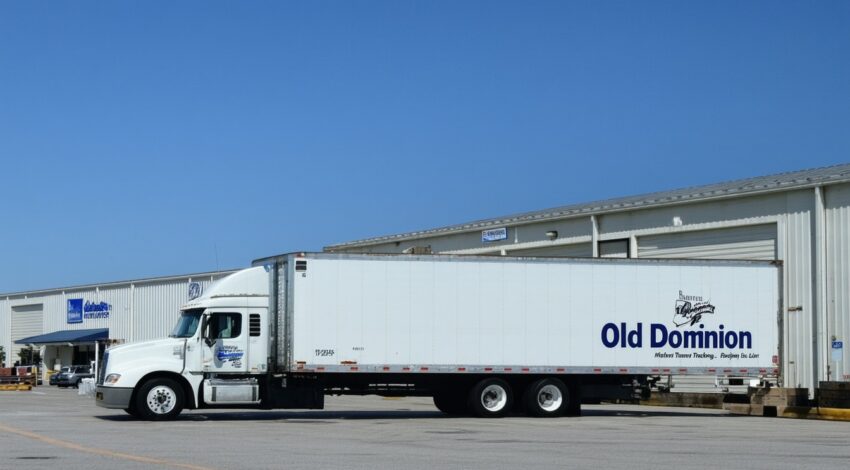
In a world where logistics and supply chains serve as the unseen engines of the economy, the demand for precise, timely shipment tracking has never been greater. Old Dominion Freight Line stands out as a leader in less-than-truckload (LTL) shipping, prized for efficiency and reliability—two qualities underpinned by strong digital tracking capabilities. For shippers and receivers alike, seamless access to real-time status updates can transform planning, customer satisfaction, and the bottom line. As digital transparency becomes the industry norm, mastering Old Dominion tracking is essential for effective freight management.
Understanding Old Dominion Tracking: Foundations and Features
Old Dominion tracking refers to the suite of digital tools and systems that allow customers to monitor their shipments at every stage of the transit process. Historically, shipment visibility was limited, but with advancements in logistics technology, real-time updates have become a competitive differentiator. Old Dominion’s online tracking platform leverages cutting-edge software and integrations with scanning devices, enabling users to check location, estimated delivery times, and proof of delivery effortlessly.
The tracking process begins as soon as a shipment is entered into Old Dominion’s network. Each shipment is assigned a unique PRO number, an industry-standard tracking identifier. Customers, whether businesses or individual recipients, can input this number into the online tracking portal to access detailed status updates.
Core Features at a Glance
- Real-time location and status updates
- Estimated delivery windows based on current network data
- Access to delivery documents such as Bills of Lading and Proof of Delivery
- Custom notifications and tracking via email or mobile alerts
Beyond the basics, Old Dominion also offers advanced visibility through application programming interfaces (APIs) for enterprise clients. This integrates shipment data directly into customer relationship management (CRM) or logistics management systems, reducing manual status checks.
How to Track Shipments Online: Step-by-Step Guidance
For many shippers, fast and accurate tracking is crucial—but the process remains simple:
- Obtain the PRO or tracking number assigned by Old Dominion at shipment initiation.
- Visit the Old Dominion tracking web portal (available via their main website), where the tracking tool is prominently located.
- Enter the tracking number in the designated field.
- View the real-time status, current location, and expected delivery window.
Heavy users can also set up dashboards to monitor multiple shipments at once, a feature valuable to logistics managers handling numerous consignments.
Mobile Accessibility for On-the-Go Tracking
Responding to shifts in customer behavior, Old Dominion has invested in robust mobile solutions. The mobile-friendly portal and app ensure supply chain professionals can access updates remotely—helpful for coordinators, drivers, or small business owners needing “real-world” flexibility. This omnichannel approach to tracking reflects a broader logistics industry trend of meeting customers wherever they are.
Why Accurate Tracking Matters: From Operations to Customer Experience
Precise shipment tracking offers tangible benefits to all stakeholders. According to industry surveys, transparent delivery timelines are a top priority for business buyers and end consumers alike. For shippers, the primary gains include:
- Reduced uncertainty: Real-time updates enable more accurate projections and mitigate disruption from weather or operational hiccups.
- Improved planning: Customers can align labor, equipment, or receiving hours with shipment arrivals.
- Enhanced customer service: Offering proactive updates fosters trust and reduces the need for “Where is my shipment?” inquiries.
“Reliable tracking is now a fundamental customer expectation. Providing shipment visibility isn’t just a value-add—it’s a requirement for credibility in the logistics industry,” notes Kate Linfield, a supply chain technology analyst.
The ripple effect extends to customer relationships and brand perception. In scenarios where delays do occur, logistics teams armed with detailed tracking data can provide faster, more accurate communication, thereby turning potential frustrations into opportunities for service recovery.
Integrations and Automation: Empowering Businesses with Smart Visibility
A defining feature of Old Dominion tracking is its integration readiness. For large shippers and third-party logistics providers (3PLs), direct integration of shipment data streamlines workflow. By connecting Old Dominion’s tracking systems to broader ERP, TMS, or e-commerce platforms, organizations can:
- Automate workflow triggers (e.g., inventory updates when shipments are delivered)
- Aggregate multi-carrier tracking data in one interface
- Deliver better post-purchase experiences for B2B and B2C clients
Many retailers and manufacturers now rely on these integrations to maintain cohesive, efficient operations—particularly amid increasing demand for multi-channel delivery and last-mile transparency. Old Dominion’s cooperation with supply chain software vendors further cements its status as a trusted partner for digital transformation in logistics.
Real-World Success: Old Dominion Tracking in Action
Consider the case of a national furniture retailer that handles hundreds of LTL shipments a week. Before optimizing shipment visibility, the retailer struggled with late-stage surprises and wasted staff hours reconciling delivery dates. By utilizing Old Dominion’s online tracking tools and integrating shipping data with its CRM, the company streamlined notifications to both internal teams and end customers. The improvement dramatically reduced “blind waiting,” enabled smarter staffing, and led to stronger customer reviews.
Similarly, smaller e-commerce operations leverage tracking links in customer communication. This simple step has become crucial for managing expectations, reducing support inquiries, and bolstering consumer confidence—a practice now widespread among businesses using Old Dominion and comparable carriers.
Common Tracking Challenges and Practical Solutions
While Old Dominion tracking is robust and user-friendly, some challenges occasionally arise:
Delayed Scan or Missing Updates
Occasionally, a shipment may appear stuck at a certain location on the tracking portal. This is usually due to a delay in scan updates—either from a busy hub or unexpected transit delays. In these cases, Old Dominion recommends:
- Waiting a short period, then refreshing the portal
- Contacting customer support if status remains unchanged for an unusually long stretch
Multiple Shipments and Document Confusion
When managing large numbers of shipments, differentiating between PRO numbers and Bills of Lading can create confusion, especially if documents are missing. Proactive organization—such as using batch tracking dashboards or digital document management—solves this challenge for most business users.
Data Security and Privacy
With increasing digitization, maintaining data integrity is critical. Old Dominion employs industry-standard security protocols to ensure that only authorized users can access specific shipment data. Businesses integrating tracking data into their own systems should also follow recommended cybersecurity best practices.
The Future of Freight Tracking: Trends to Watch
Looking ahead, shipment tracking will likely become even more automated and predictive. Technologies such as IoT sensors, machine learning for ETA predictions, and real-time API-driven applications are becoming more prominent across leading logistics providers. Old Dominion’s continuous investment in technology—and its willingness to integrate with clients’ digital ecosystems—positions it well to capitalize on these advances. In a landscape where speed, transparency, and flexibility are prized, reliable shipment tracking is no longer optional, but essential.
Conclusion: Sharpening Your Competitive Edge with Old Dominion Tracking
The demands of modern shipping extend far beyond simply moving goods from point A to point B; agile companies require data-driven insight at every step. Old Dominion’s tracking capabilities support this requirement, offering real-time updates, seamless integration, and tools suited for operations of any scale. By leveraging these features, shippers boost efficiency, reduce friction, and deliver a higher standard of service—a competitive necessity in today’s connected logistics landscape.
FAQs
How do I track my shipment with Old Dominion?
You can track your shipment by entering the PRO or tracking number on the Old Dominion website’s tracking portal. The system provides real-time updates on your cargo’s location and expected delivery time.
What if my shipment status hasn’t updated?
Occasionally, delays in scan updates can occur. It’s recommended to refresh the tracking page after some time; if no change appears over a long period, contact Old Dominion customer service for assistance.
Can I track multiple shipments at once?
Yes, Old Dominion’s portal allows for batch tracking and dashboard views for users managing several shipments, especially useful for business customers.
Is there a mobile app for Old Dominion tracking?
Old Dominion provides both a mobile-optimized website and dedicated app options, making it easy to check status updates on the go.
What is a PRO number and why is it important?
A PRO number is a unique identifier assigned to each shipment, essential for tracking and accessing shipment documents. Keep this number handy to ensure smooth tracking and support.
Can I integrate Old Dominion tracking into my internal systems?
Yes, Old Dominion offers API access and support for integration with business systems like ERP and TMS platforms, facilitating automated workflows and comprehensive visibility.


