For many homeowners and gardeners, gnats are a persistent and frustrating nuisance. Whether clustering around houseplants or swarming near fruit bowls and drains, these tiny insects can quickly mar the comfort and hygiene of living spaces. Though their presence may appear sudden, effective solutions require addressing both immediate infestations and the underlying conditions that support their rapid reproduction. Knowing how to get rid of gnats—safely and sustainably—demands a blend of identification, proven interventions, and ongoing prevention.
Common Types of Gnats and Why They Invade
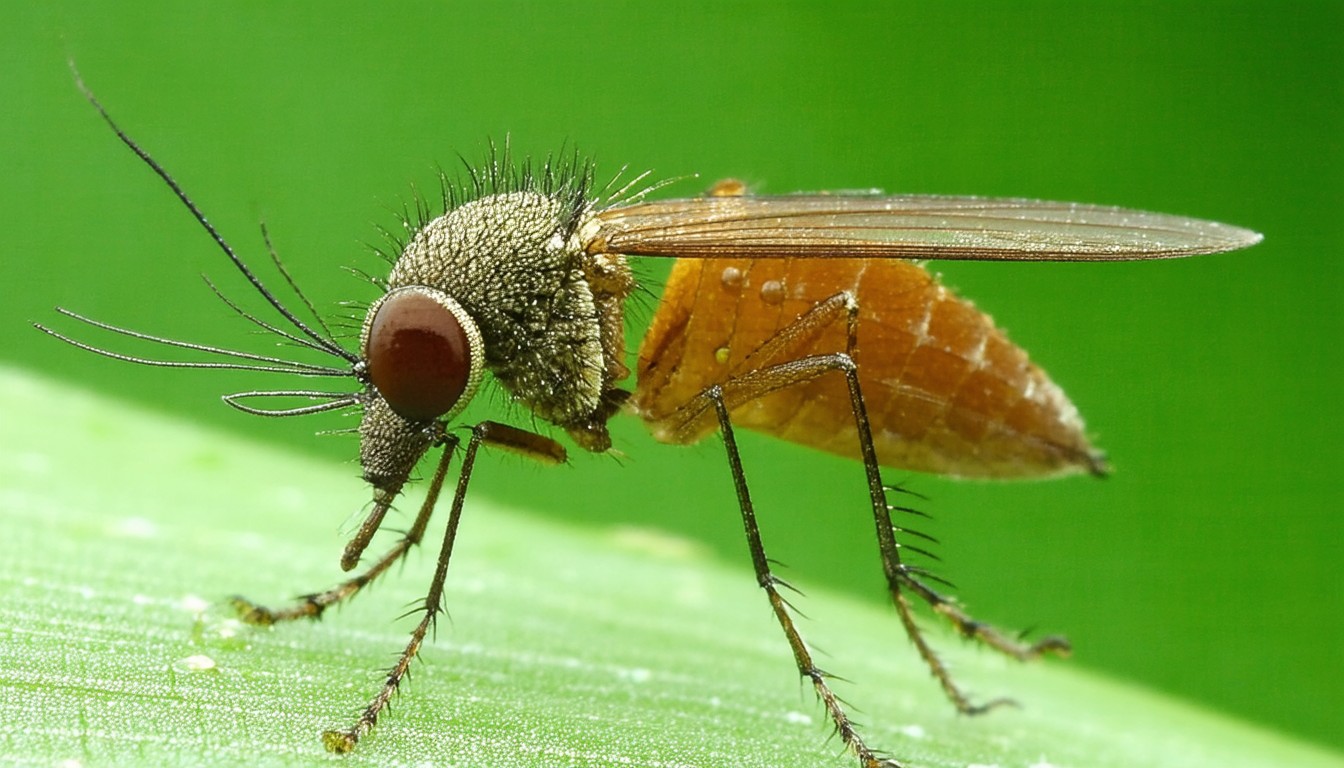
Gnat is a generic term covering several small, flying insects. Understanding which type is infesting your property is crucial for choosing the right remedy.
Fungus Gnats
Most often linked with potted plants, fungus gnats thrive in damp soil. Their larvae feed on organic matter and sometimes plant roots, making overwatered houseplants an open invitation.
Fruit Flies
Drawn to ripening fruit, spilled juice, and organic waste, fruit flies commonly breed in kitchens and pantries. They reproduce rapidly—a single female can lay hundreds of eggs in her short lifespan.
Drain Flies
Frequently found around sinks, showers, and floor drains, drain flies prefer the organic residue that accumulates in pipes. They are distinguished by their fuzzy, moth-like appearance but exhibit similar nuisance behaviors as other gnats.
“Effective gnat control starts with identifying the specific species and eliminating the environmental conditions that allow them to proliferate,” advises Dr. Vivian Young, an entomologist and pest control consultant.
Inspection: Pinpointing the Source of the Gnat Problem
Before launching into aggressive gnat removal techniques, thorough inspection ensures targeted and lasting results. Look for:
- Overwatered or decaying potting soil (fungus gnats)
- Ripe, fermenting produce and overlooked spills (fruit flies)
- Slow drains or gunky pipes (drain flies)
- Trash bins, recycling containers, and compost piles
Beyond this, inspecting for moisture accumulation and poor ventilation helps uncover less obvious breeding grounds—especially in basements, laundry rooms, or behind appliances.
Targeted Solutions: How to Get Rid of Gnats Quickly and Effectively
Natural and DIY Remedies
Simple home solutions offer fast relief and are especially useful for minor infestations.
Vinegar Traps
For fruit flies and fungus gnats, fill a small bowl with apple cider vinegar and a drop of dish soap. The scent lures gnats, while the soap breaks surface tension, causing them to drown.
Potato Slices
Placing raw potato slices atop soil can trap fungus gnat larvae. After a few days, discard the infested slices and replace as needed.
Sticky Traps
Yellow sticky cards catch adult gnats and are highly effective near affected plants or suspected breeding sites. These are inexpensive and available at garden centers.
Chemical and Commercial Treatments
While DIY tactics suffice in many scenarios, persistent or large-scale infestations may require broader measures.
Insecticidal Soaps and Sprays
Many gardeners resort to neem oil sprays or commercial insecticidal soap to eliminate fungus gnat larvae in soil. These substances are plant-safe when used as directed.
Drain Cleaners
For drain flies, enzyme-based cleaners dissolve organic buildup inside pipes, removing their primary breeding ground. Periodic use is critical to break the reproductive cycle.
Professional Pest Control
If gnats persist despite all efforts, a licensed pest professional can assess the problem and apply stronger solutions, often combining physical, chemical, and environmental controls tailored to your home.
Eliminating the Breeding Cycle: Lasting Prevention
Direct removal addresses only part of the issue. Sustainable gnat control hinges on disrupting their life cycle and removing attractants.
Reducing Moisture
Allow plant soil to dry between waterings. Avoid leaving wet mops or sponges out, and fix any leaky pipes, faucets, or drains, as moist environments create ideal breeding conditions.
Food and Waste Management
Store fruits and vegetables in the refrigerator—or cover bowls with mesh. Take out garbage regularly and clean containers thoroughly. Compost bins and recycling areas should be tightly sealed and checked regularly for decay.
Drain Maintenance
Run hot water or enzymatic cleaners down household drains at least weekly, especially if sinks or showers are slow-draining. Clean sink overflows and garbage disposals regularly.
Real-World Scenarios: Homeowner Challenges and Solutions
Consider the case of a busy urban family frustrated by nightly swarms of gnats around their kitchen island. By tracking the source to overripe bananas and a forgotten compost pail, they quickly resolved the problem with sealed produce containers and regular garbage removal.
In contrast, one rural gardener faced recurring fungus gnats in a greenhouse. Application of yellow sticky cards, paired with careful soil drying cycles and weekly neem oil sprays, gradually restored plant health and eliminated the infestation.
Such scenarios reinforce that multi-pronged prevention—combining environmental, physical, and (when appropriate) chemical controls—brings the best results.
Long-Term Gnat Control: Integrated Pest Management Essentials
Modern pest control experts often recommend an Integrated Pest Management (IPM) approach for gnats and other household pests. This means:
- Monitoring: Regular inspection to catch issues early
- Identification: Determining the exact pest species
- Thresholds: Deciding when intervention is necessary (not every gnat sighting requires drastic action)
- Cultural Controls: Adjusting water, food storage, and waste routines
- Mechanical Controls: Sticky traps, window screens, and physical exclusion
- Chemical Controls: Only when absolutely necessary, and always following label directions
IPM reduces the risk of rebound infestations and limits exposure to pesticides for humans and pets. According to research from several university agricultural extensions, households that routinely apply IPM principles experience fewer long-term pest issues and use chemicals less frequently compared to those relying exclusively on sprays or foggers.
When to Seek Professional Help
Most gnat problems can be controlled with vigilance and relatively simple remedies. However, larger commercial kitchens, healthcare settings, or severe home infestations may require outside expertise. Repeated failure to eliminate gnats despite trying every available method can indicate a hidden source, such as cracks in foundation walls, or issues with building-wide plumbing.
Prompt professional intervention is particularly important when:
- The infestation recurs regardless of prevention measures
- Pests are present in sensitive environments (e.g., food processing)
- You observe gnats emerging from outlets, vents, or wall voids
Conclusion: Effective Gnat Control Is Both Immediate and Sustainable
For anyone battling a gnat invasion—whether in potted plants, kitchen corners, or around drains—success comes from treating both visible pests and the conditions that support them. Combining immediate traps or sprays with daily habits—reducing standing water, promptly disposing of food waste, and regular inspections—yields fast results and long-term relief. By integrating natural remedies, commercial products, and preventive practices, homeowners and gardeners can enjoy cleaner, more comfortable spaces, without recurring pest frustrations.
FAQs
What causes gnats to appear inside my house?
Gnats are attracted to sources of moisture and decaying organic matter, such as overwatered houseplants, fruit bowls, or dirty drains. Their sudden presence often signals the right conditions for breeding and a nearby food source.
Are gnats harmful to humans or pets?
Most common household gnats do not bite or spread disease, but they can contaminate food and cause annoyance. In rare cases, large infestations around seedlings may damage young plants.
How long does it take to get rid of a gnat infestation?
With prompt action—controlling moisture, removing food sources, and setting traps—household gnat problems can often be resolved within a week or two. Persistent infestations may require ongoing monitoring and additional treatments.
Can I use essential oils to repel gnats?
Certain essential oils, like citronella or peppermint, are reported to deter some gnats when diffused in the air or placed near entry points. However, results can vary, and oils are best used alongside other controls for full effectiveness.
Why do gnats keep coming back even after I clean?
If even small amounts of water or organic material remain, gnats can continue to breed. Re-infestation is common unless all breeding sites—including hidden drains and plant soil—are addressed.
What’s the difference between fruit flies and fungus gnats?
Fruit flies are generally drawn to rotting produce and sugary spills, while fungus gnats prefer moist soil and decaying plant matter. Their appearance, breeding locations, and preferred traps differ accordingly.