

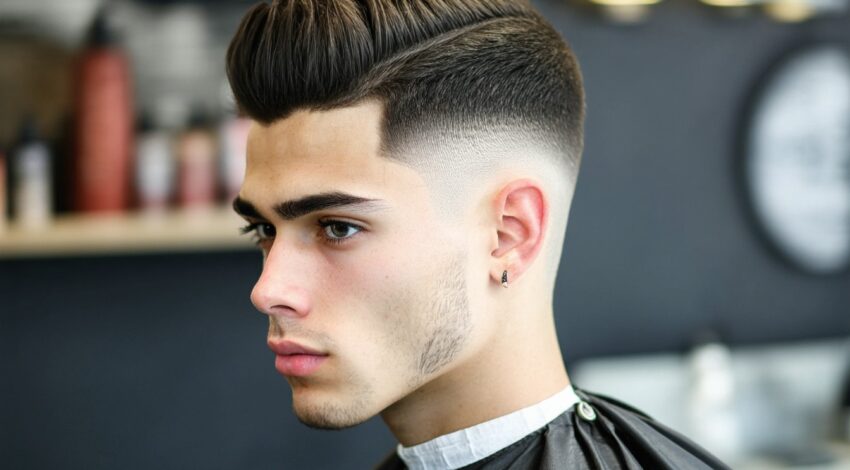
Trends in men’s grooming have evolved rapidly in recent years, with the low fade haircut emerging as a leading style for those seeking a blend of modernity and timeless appeal. Walk into any contemporary barbershop and you’ll likely overhear requests for this versatile cut—favored equally by celebrities, athletes, and professionals alike. The low fade is lauded for its subtlety: rather than an aggressive transition, it delivers a gradual taper that keeps the look clean yet understated.
Beyond mere aesthetics, the low fade carries cultural cachet. It’s a reflection of shifting attitudes toward grooming, personal branding, and self-expression. In this guide, the focus is not just on what the low fade is, but why it holds such sustained relevance—along with practical insights, expert advice, and stylistic inspiration for anyone considering this modern classic.
What Is a Low Fade Haircut? Key Features and Terminology
A low fade haircut is characterized by its progressive reduction in hair length, starting lower on the sides and back of the head—usually around the ears and neckline. The gradient is subtle, unlike the high fade, which transitions dramatically near the temples. This allows for more hair on the sides while still maintaining a polished, neat finish.
Types of Low Fade Cuts
There are several variations within the low fade family, making it adaptable to different preferences and hair types:
- Low Taper Fade: Involves a gradual blend just above the sideburns and neckline, for a softer demarcation.
- Low Skin Fade: The hair is faded down to the skin at the very bottom, giving a strikingly clean look.
- Drop Fade: The fade curves down behind the ear, adding visual interest and framing the bone structure.
These techniques require precision and are often complemented by styles on top, ranging from textured crops to longer, swept-back hair.
“The low fade offers a perfect entry point into modern barbering—it’s versatile, professional, and customizable for almost every face shape and lifestyle,” says Dan Gregory, a London-based master barber and educator.
The Versatility of the Low Fade: Who It Suits and Styling Options
One of the main reasons the low fade haircut remains perennially popular is its universal appeal. It works for diverse hair textures—straight, wavy, curly, or coily—and can be tailored to suit individual faces and personal tastes.
Adaptable for All Ages and Professions
Unlike some fashion-forward cuts that skew toward youth culture, the low fade is favored by individuals across generations. Corporate professionals often gravitate toward the low fade for its polished appearance, while creative types appreciate its flexibility for edgier styling.
Common Pairings and Modern Twists
The low fade serves as a blank canvas, accommodating a range of signature finishes. Some popular pairings include:
- Pompadour with Low Fade: Adds volume up top while keeping sides tidy.
- Buzz Cut with Low Fade: Ultra-low maintenance and sharp.
- Quiff or Textured Crop: Provides movement and dimension above the fade.
High-profile figures from soccer players to Hollywood actors have worn variations of this cut on red carpets and in marketing campaigns, helping solidify its reputation as a go-to modern hairstyle.
Achieving the Perfect Low Fade: Barbershop Insights and At-Home Care
A truly great low fade is the result of technical skill and an understanding of head shape and hair type. Most experts recommend visiting a trained barber for both the initial cut and regular trims.
What to Ask For at the Barbershop
Clarity of communication is key. Sharing reference photos, specifying the desired fade height, and discussing any preferred elements (like a line-up or side part) can help achieve the ideal cut.
Barbers often use a blend of clippers and scissors, gradually blending sections to avoid harsh lines. The final look should be balanced, with the fade seamlessly integrated into the overall hairstyle.
Maintenance and Home Styling
Keeping the low fade looking sharp requires periodic touch-ups—typically every two to three weeks, depending on hair growth. In between, proper at-home care is essential:
- Use lightweight styling products: Creams, pomades, or matte pastes work well and avoid looking greasy.
- Wash regularly: A clean scalp accentuates the fade’s contrast.
- Moisturize the scalp: Particularly important for skin fades to prevent dryness or irritation.
Innovations in men’s haircare—for instance, sulfate-free shampoos and heat-protectant sprays—also help maintain texture and health.
Trends and Real-World Examples: The Low Fade in Pop Culture
Celebrity trends often drive mainstream adoption of hairstyles. The low fade has enjoyed a boost from notable figures such as Zayn Malik, Drake, and David Beckham, each popularizing different variations.
Case Study: The Soccer Star Effect
In the world’s most-watched sports leagues, well-groomed athletes act as style influencers. When players such as Kylian Mbappé featured clean, sharp low fades during international tournaments, barbershops across Europe reported a surge in similar requests.
Social Media and DIY Tutorials
Platforms like Instagram and TikTok now serve as hubs for haircut inspiration. Many barbers and stylists share before-and-after shots, detailed process videos, and styling tips. For younger audiences especially, these visual references drive at-home experimentation and inform their requests to professionals.
Common Mistakes and How to Avoid Them
While the low fade is relatively forgiving, there are pitfalls to avoid—especially when attempting a DIY approach.
Misunderstanding the Fade Heights
A low fade should start around the ears—not halfway up the head. Setting the fade too high can shift the look toward a mid or high fade, altering the visual balance.
Neglecting Face Shape
Certain variations work better for round, oval, or square faces. For example, adding volume on top can elongate rounder faces, while tighter sides can accentuate a strong jawline.
Infrequent Maintenance
Letting the fade grow out too much undermines its crispness. Scheduling regular appointments is key to maintaining the intended effect.
Conclusion: Why the Low Fade Endures
The low fade haircut has staked its claim as an emblem of contemporary masculinity—distinct, adaptable, and underpinned by expert technique. Its enduring popularity stems from its balance of sharpness and subtlety, catering to a wide spectrum of personal aesthetics and practical needs. For anyone seeking a modern yet classic signature look, the low fade remains a sophisticated, low-risk choice. Ultimately, partnering with a skilled barber and investing in simple maintenance ensures this style continues to look its best week after week.
FAQs
What is the difference between a low fade and a mid fade?
A low fade starts just above the ears and neckline, while a mid fade begins higher up the sides of the head, creating a more noticeable contrast.
Can a low fade work with any hair type?
Yes, the low fade is versatile and can be tailored to straight, wavy, curly, or textured hair with the right technique and barber.
How often should a low fade be maintained?
Most experts recommend touch-ups every two to three weeks to keep the fade looking sharp and fresh.
Is the low fade suitable for professional environments?
Absolutely; its subtle taper and clean lines make it a popular choice among professionals seeking a smart appearance.
What products are best for styling a low fade haircut?
Lightweight pomades, matte pastes, or styling creams help control hair and highlight the fade without weighing it down.
Can I attempt a low fade at home, or should I visit a barber?
While there are tutorials online, achieving a seamless fade usually requires professional skill, especially for beginners. Visiting a barber is highly recommended for best results.


