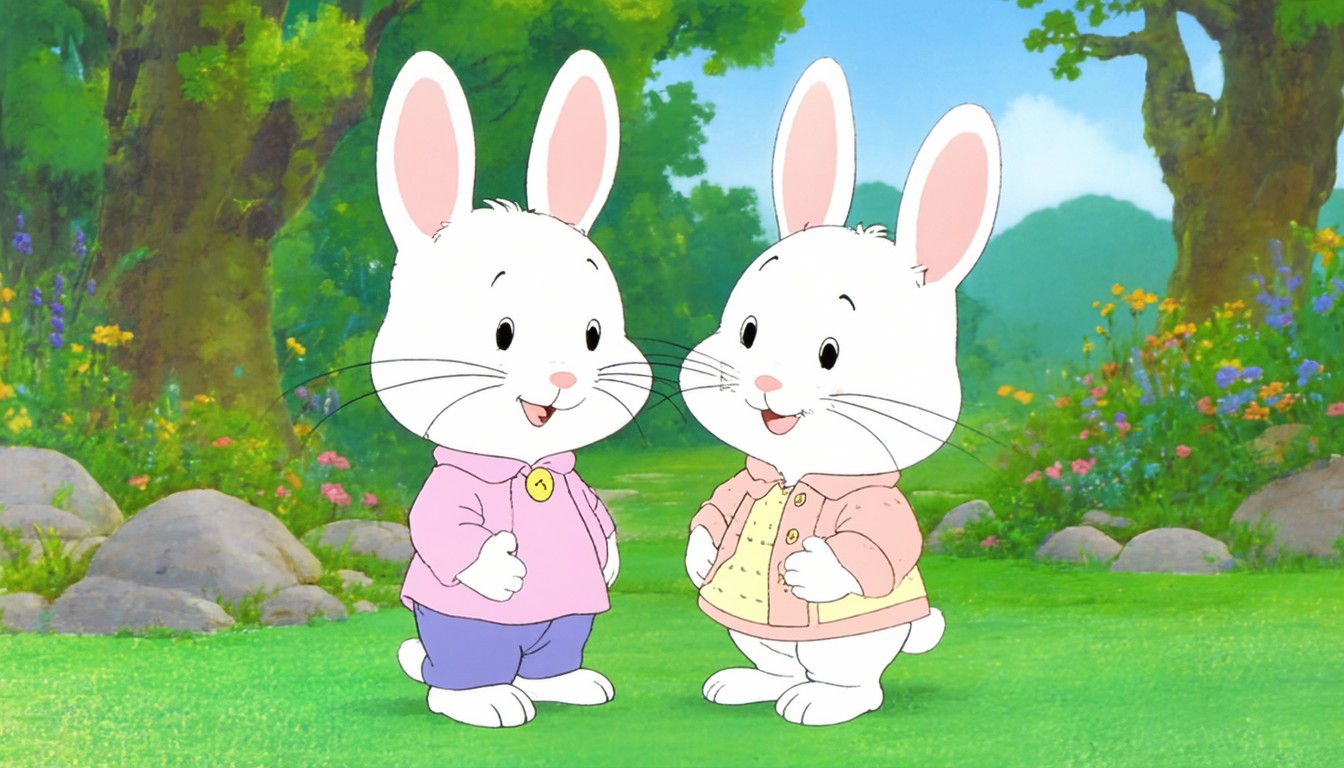
For over two decades, Max and Ruby has delighted children and parents with the heartwarming adventures of two bunny siblings. First adapted from Rosemary Wells’ classic picture books, the animated series continues to stand out in a rapidly shifting children’s television landscape. The combination of gentle humor, sibling dynamics, and simple storytelling has earned Max and Ruby a special place in global family entertainment, fostering conversations about childhood curiosity and emotional intelligence.
Origins: From Storybooks to Screens
Literary Beginnings
Max and Ruby began as a series of children’s books written and illustrated by Rosemary Wells in the late 1970s. With more than a dozen titles, these books explored everyday experiences—like birthday parties and lost teeth—through the eyes of Max, a determined young bunny, and his older sister, Ruby. Their adventures quickly found favor among educators and parents, who appreciated Wells’ unique approach to portraying sibling relationships.
Television Adaptation
In 2002, the Max and Ruby series made its television debut on Treehouse TV in Canada and later expanded worldwide through Nickelodeon and Noggin. This transition marked a significant moment: translating the book’s minimalist illustrations and nuanced sibling banter into vibrant animation. Showrunners prioritized Wells’ gentle pacing, emphasizing small challenges and meaningful resolutions that resonated with preschool audiences. As media analyst Sarah Shea notes:
“Max and Ruby’s enduring success lies in its celebration of ordinary moments, which builds empathy and problem-solving skills in young viewers.”
The World of Max and Ruby
Sibling Dynamics and Life Lessons
At the core of each episode is the relationship between Max, the curious and mischievous little brother, and Ruby, the organized, thoughtful older sister. While Ruby often takes charge, Max’s limited vocabulary and creative thinking lead to unexpected—and often hilarious—solutions. Real-life psychologists point out that these dynamics mirror real sibling interactions, offering relatable models for viewers.
Episodes rarely feature adults. Instead, Max and Ruby navigate their challenges—like setting up a lemonade stand or caring for a doll—on their own, empowering children to envision themselves as capable problem solvers. This approach aligns with contemporary early childhood education trends, which encourage independence and social-emotional learning.
Visual and Narrative Simplicity
Max and Ruby’s animation style stands apart from more frenetic modern cartoons. Gentle colors, uncluttered backgrounds, and a warm musical score create a calming environment for young viewers. The dialogue-heavy conversational storytelling encourages active listening and patience—a contrast to the rapid-fire gags prevalent in other animated series.
Beyond aesthetics, the show’s steady pacing allows children to notice small details, supporting cognitive development. Little moments, such as Max’s repeated single-word responses (“no”, “more”, “red hot marshmallow squirters!”), serve both comedic and language-building purposes.
Educational Impact and Reception
Endorsements from Educators
Many teachers use Max and Ruby in classroom settings to facilitate discussions on “big feelings,” cooperation, and family roles. Research from the Center on Media and Child Health suggests that media modeling of sibling negotiation or conflict resolution can have a positive impact on preschoolers’ social skills.
Parental Perspectives
Parents routinely report that the series offers a refreshing alternative to louder, more over-stimulating options for young children. In interviews, several praise the show’s ability to capture kids’ attention without relying on fast-paced editing or screen-cluttered action.
“We appreciate that Max and Ruby lets our daughter see normal sibling disagreements without yelling or sarcasm,” said Maria López, a parent in Austin, Texas. “It helps us talk about the right way to work things out at home.”
Cultural Reach
Since its premiere, Max and Ruby episodes have been broadcast in over 100 countries and translated into numerous languages. The show’s accessibility and timeless topics contribute to its enduring success, with merchandise, picture books, and digital games expanding its global presence. The Max and Ruby brand, while not backed by blockbuster box office figures, maintains a strong legacy in the children’s media market.
Evolving with New Audiences
Character Development and New Faces
Across its multiple seasons, Max and Ruby have subtly evolved to reflect changing family structures. Later episodes introduce their previously unseen parents and a wider circle of friends, adding complexity to storylines and increasing relatability. This change responded to fan engagement on social media, where viewers—often adults nostalgic for the show—speculated about the absent parents.
Digital Expansion
Recognizing shifts in content consumption, Max and Ruby adapted to streaming services and digital learning platforms. Interactive e-books, educational apps, and on-demand episodes allow new generations to discover the siblings’ gentle adventures at their own pace. This omni-channel approach has been key to maintaining relevance in an era of fragmented media habits.
Max and Ruby’s Impact on Children’s Programming
The legacy of Max and Ruby is evident in how other shows have adopted slower storytelling techniques, normalized sibling-led narratives, and prioritized everyday childhood experiences. The gentle humor and authentic emotional arcs pioneered by the series continue to influence children’s media creators, who increasingly see the value in relatability over spectacle.
As media literacy becomes essential, parents and educators use programs like Max and Ruby to foster discussions on empathy, patience, and creative problem-solving. The show’s enduring calmness stands as a counterpoint to the speedy flashiness dominating digital content for children.
Conclusion: Why Max and Ruby Remain Timeless
Max and Ruby’s understated adventures have cemented the series as a staple in children’s entertainment. By focusing on sibling bonds, everyday challenges, and gentle humor, the show has managed to bridge generations, speaking both to nostalgia and the ongoing needs of young children. Its adaptable storytelling and authentic emotional intelligence offer lessons—for children and adults alike—on navigating family life with empathy, creativity, and heart.
FAQs
What age group is Max and Ruby intended for?
Max and Ruby is primarily aimed at preschool children, typically between ages 2 and 6. Its gentle storytelling and simple language make it suitable for early learners.
Are Max and Ruby’s parents shown in the show?
In the earliest seasons, the parents are notably absent, leaving Max and Ruby to solve their own problems. In later seasons, the show does introduce their parents in response to audience curiosity.
What lessons can children learn from Max and Ruby?
Children observe conflict resolution, cooperation, and independent problem-solving through Max and Ruby’s adventures. The show models positive sibling relationships and managing emotions constructively.
Can Max and Ruby be used as an educational resource?
Many educators and parents use the series to discuss social-emotional concepts, such as empathy and communication. The episodes provide scenarios that help prompt meaningful conversations with young children.
Where can Max and Ruby episodes be found today?
Max and Ruby is available on various streaming platforms and digital channels, as well as through traditional broadcast in some regions. There are also books, games, and educational apps associated with the series.
What makes Max and Ruby different from other children’s shows?
Max and Ruby stands out for its calm pace, relatable everyday stories, and a focus on sibling dynamics rather than fast action or high fantasy. This makes it a calming and trustworthy choice for families seeking thoughtful entertainment.