

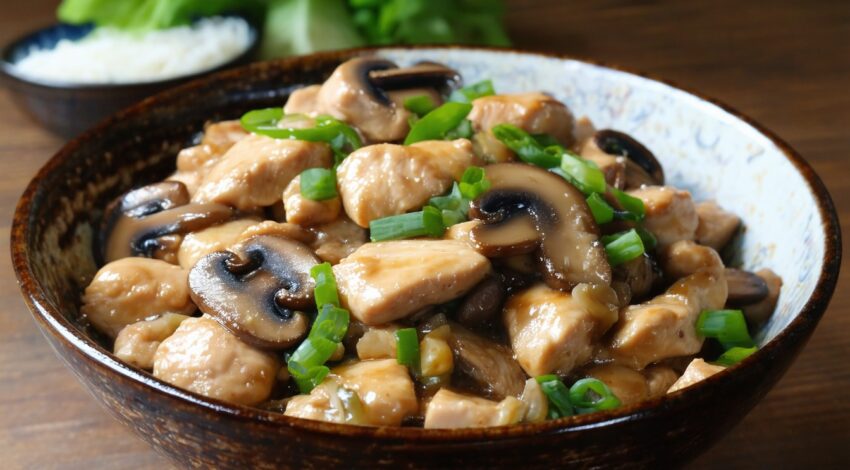
Few dishes encapsulate the transpacific journey of Chinese cookery like Moo Goo Gai Pan. Often seen on Chinese-American restaurant menus, this gentle stir fry of chicken and mushrooms is instantly recognizable for its creamy white sauce, ample vegetables, and mild yet satisfying flavors. For many, Moo Goo Gai Pan offers a comforting entryway into Cantonese-style cuisine—with its classic combination of tender chicken, crisp vegetables, and delicate mushrooms, all quick-cooked in a light, savory sauce.
But what exactly is Moo Goo Gai Pan’s story? How did this simple recipe from Guangdong’s kitchen tables come to be a mainstay in the West? Beyond the menu description, its preparation reflects careful technique and centuries of culinary tradition—adapted for a new world of diners seeking both familiarity and adventure.
The Origins and Evolution of Moo Goo Gai Pan
The words “Moo Goo Gai Pan” are rooted in Cantonese: “moo goo” (蘑菇) means “mushrooms,” “gai” (雞) means “chicken,” and “pan” (片) refers to “slices.” In its homeland, this dish was typically a homey stir fry of thinly sliced chicken with mushrooms, gently seasoned to highlight freshness. Traditional versions might feature fragrant shiitake or fresh straw mushrooms, rounded out with a subtle sauce of ginger, garlic, and Shaoxing wine.
When Chinese immigrants began to establish restaurants in America during the late 19th and early 20th centuries, they adapted Cantonese recipes to fit local tastes and available produce. The signature clean, pale sauce—made with chicken stock, a hint of oyster sauce, and cornstarch for body—was refined for American diners who appreciated milder flavors compared to spicier regional Chinese fare. Broccoli, snow peas, water chestnuts, and bamboo shoots soon joined the mushrooms for added crunch and color, creating a dish that, while distinctly Asian, felt approachable and fresh.
“Moo Goo Gai Pan is a classic example of culinary migration: it retains the spirit of Cantonese technique but is flexible and adaptive, reflecting both seasonality and local influences,” explains Grace Young, James Beard award–winning author and Chinese cooking expert.
Across the United States, the dish stands as a testament to adaptation and heritage, resonating with diners spanning generations and backgrounds.
Key Ingredients and Preparation Techniques
At its core, Moo Goo Gai Pan relies on the balance of tender chicken, fresh vegetables, and flavorful mushrooms. Quality and preparation make all the difference:
Choosing and Preparing the Chicken
Thinly sliced chicken breast is most traditional, admired for its quick-cooking nature and clean flavor. Some chefs recommend briefly marinating the chicken in a mixture of soy sauce, Shaoxing wine, and a touch of cornstarch. This technique, known as “velveting,” results in an especially moist, silky texture once stir-fried.
Essential Mushrooms and Vegetal Additions
While white button mushrooms are a staple in Western adaptations, many prefer cremini or shiitake for their deeper, woodsy aroma. Alongside mushrooms, Moo Goo Gai Pan often features:
- Snow peas or sugar snap peas for brightness and crunch
- Sliced carrots for color and sweetness
- Bamboo shoots for texture
- Water chestnuts for crispness
- Scallions or leeks for aromatic lift
The Signature Savory Sauce
The hallmark sauce is glossy and light. Its base includes chicken broth, oyster sauce, a hint of soy sauce, sugar, white pepper, and cornstarch for a gentle sheen. Sometimes, fresh ginger and garlic are briefly stir-fried before the chicken and vegetables, imparting aromatic undertones.
Stir-Fry Method and Timing
Crucial to Moo Goo Gai Pan’s success is timing—high heat, rapid stirring, and deft sequencing. Vegetables are added in the order of their required cooking time, with mushrooms and peas typically going in last to preserve their bite. The sauce is poured in and gently brought to a simmer, ensuring all ingredients are evenly coated—but never overcooked.
Nutritional Profile and Dietary Considerations
Moo Goo Gai Pan is, by many measures, among the lighter offerings of American Chinese cuisine. Compared to deep-fried dishes such as General Tso’s Chicken or orange chicken, it is relatively low in oil and calories, making it a favorite for diners seeking a nutritious, balanced meal option. The stir fry’s generous inclusion of vegetables contributes to its fiber and vitamin content, while the absence of heavy sugars or fats keeps it heart-healthy.
A typical restaurant serving (around 1–1.5 cups) can provide:
- Lean protein from skinless chicken
- Vitamin C and A from snow peas, carrots, and mushrooms
- Modest sodium, especially if low-sodium soy sauce and broth are used
For those with dietary needs, home cooks or restaurants can further adapt the recipe—swapping out gluten-containing sauces, substituting tofu for chicken, or using a wider range of vegetables.
Moo Goo Gai Pan in Contemporary Food Culture
Contemporary diners increasingly seek out global flavors, but also demand customization and healthfulness. Many modern Chinese restaurants highlight Moo Goo Gai Pan as a “healthy” or “lighter” menu option due to its fresh ingredients and minimal sauce. For home cooks, the dish provides a forgiving structure—a base for creativity but with the comfort of tradition.
On social platforms and recipe sites, searches for “Moo Goo Gai Pan recipe” or “how to make Moo Goo Gai Pan at home” have surged, reflecting its appeal to adventurous weeknight cooks. Notably, its clear, stepwise preparation and family-friendly flavors stand out in a crowded market of takeout and delivery options. Cookbooks and TV chefs, from Grace Young to America’s Test Kitchen, continue to feature inventive takes on the dish while recommending the retention of its delicate, clean-tasting identity.
Cooking Tips and Common Mistakes
While Moo Goo Gai Pan is approachable, certain missteps can compromise its quality:
- Overcooking chicken: Thin slices, quick cooking, and velveting prevent toughness.
- Crowding the pan: Too many ingredients can lower the wok’s temperature and result in steaming, not stir-frying.
- Mushy vegetables: Add vegetables in stages, respecting their respective cooking times.
- Over-thickened sauce: Use cornstarch sparingly and dissolve thoroughly before adding to the pan.
Home cooks often benefit from prepping all ingredients ahead (mise en place) and cooking in small batches when necessary.
Restaurants and Regional Variations
Across North America, Moo Goo Gai Pan’s preparation may shift with local tastes. In New York’s Chinatown, the dish is likely closest to Cantonese roots, using classic mushrooms and minimal sauce. West Coast iterations often experiment with locally grown mushrooms or alternative vegetable blends. Some chefs introduce seasonal greens—bok choy, gai lan, or even asparagus—to match farmer’s market finds.
Restaurants such as San Francisco’s R&G Lounge or L.A.’s Yang Chow highlight Moo Goo Gai Pan as a bridge between their traditional and modern offerings, appealing to both long-time regulars and newer, health-conscious guests.
Conclusion: Moo Goo Gai Pan’s Lasting Appeal
At its heart, Moo Goo Gai Pan exemplifies the enduring legacy of Chinese culinary migration and ingenuity. The dish’s layered simplicity—delicate chicken, crisp vegetables, and a savory glaze—prove that balance and subtlety often lead to longevity. Whether ordered at an old-school Chinatown spot or tucked into a weeknight home stir fry, its presence is a celebration of adaptability and shared table fellowship.
For curious cooks and those seeking nostalgia, Moo Goo Gai Pan is both accessible and endlessly customizable. Returning to its roots while inviting playful variation ensures this humble stir fry will continue to cross cultures and generations.
FAQs
What does “Moo Goo Gai Pan” mean?
The name comes from Cantonese, translating directly as “mushroom chicken slices.” It describes the dish’s primary ingredients—mushrooms and thinly sliced chicken breast.
Is Moo Goo Gai Pan healthy?
Generally yes—it’s lighter than many takeout options because it’s stir-fried, not deep-fried, and includes plenty of fresh vegetables alongside lean protein.
Can I make Moo Goo Gai Pan vegetarian or vegan?
Absolutely. Substitute tofu or seitan for chicken and use mushroom or vegetable broth. Choose a vegan oyster sauce (often mushroom-based) to maintain the signature flavor.
What kind of mushrooms are best for Moo Goo Gai Pan?
Traditional versions feature shiitake or straw mushrooms, but white button or cremini mushrooms work well and are readily available.
How is Moo Goo Gai Pan different from other stir fries?
It stands out for its light, subtly-flavored sauce and focus on tender chicken and mushrooms, rather than heavy or spicy flavors found in other Chinese-American dishes.
Is the dish gluten-free?
It can be, provided gluten-free soy sauce and oyster sauce are used. Always check sauce ingredients if eating out or buying pre-made sauces.


