

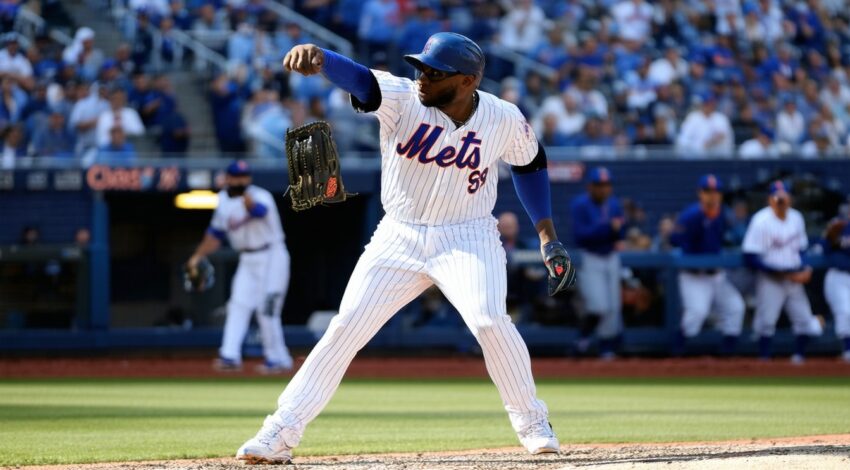
Every summer, the “Subway Series” transforms New York City into a cauldron of baseball fervor. The Yankees vs Mets rivalry, steeped in city pride and contrasting legacies, remains one of Major League Baseball’s marquee interleague matchups. While separated by boroughs (the Yankees in the Bronx, the Mets in Queens), these teams are joined by the subway lines that carry loyal, boisterous fans to each side’s home turf. The rivalry extends beyond the field—reflecting the city’s diversity, history, and love for dramatic competition.
Historical Context: The Roots and Evolution of Yankees vs Mets
Origins and Interleague Sparks
The modern Yankees-Mets rivalry found its footing with the introduction of interleague play in 1997. While the Yankees’ formidable dynasty roots date back to the early 20th century, the Mets—an expansion team born in 1962—were created to fill the National League vacuum left by the Dodgers’ and Giants’ departures. Symbolically, this rivalry pits the established against the upstarts, the “Bronx Bombers” against the “Amazins.”
Early interleague meetings were electrified by packed stadiums and office banter across the five boroughs. Games quickly became must-see events, with ticket prices and local TV ratings reflecting the heightened stakes. Legendary moments, such as the 2000 World Series—where the Yankees triumphed in five highly charged games—are etched into New York sports lore.
Rivalry through the Decades
From the turn-of-the-millennium Fall Classic to yearly regular-season battles, the rivalry evolved alongside New York’s changing identity. The Yankees’ global appeal and collection of 27 World Series championships set an imposing standard. The Mets, despite fewer titles, cultivate an underdog ethos cherished by their devoted fanbase.
Player narratives further stoke the rivalry. Baseball icons like Derek Jeter, Mike Piazza, and later Aaron Judge have all delivered indelible Subway Series moments. Each season, storylines tend to focus on neighborhood bragging rights as much as postseason positioning, capturing the city’s competitive pulse.
Recent Matchup Highlights and Key Moments
2023-2024: Shifting Narratives, Familiar Tensions
In recent years, both clubs have undergone transitions. The Yankees, seeking to revitalize their offense around homegrown stars and high-priced acquisitions, maintain playoff aspirations. The Mets, after substantial investments in payroll and analytics, aim to solidify themselves as perennial contenders.
Key games have featured dramatic walk-offs, standout pitching duels—like Gerrit Cole facing Pete Alonso—and resilient comebacks that exemplify each team’s identity. In 2023, the Mets snapped a Yankees winning streak with a hard-fought extra-inning victory at Citi Field, underscoring the notion that these games never lack intensity, regardless of each team’s place in the standings.
Individual Brilliance and Team Strategies
Pitchers often hold the spotlight; in one recent matchup, Yankees ace Gerrit Cole struck out double-digit batters, while the Mets countered with clutch hits from Francisco Lindor and Jeff McNeil. Defensive gems, such as Aaron Judge robbing Pete Alonso of a home run, frequently swing momentum and ignite the crowd.
“The energy in the building is different during the Subway Series,” notes baseball analyst Tom Verducci. “Both teams know it’s about city supremacy as much as the standings, and every pitch feels magnified.”
Beyond headline moments, coaching tactics—pinch hitters, bullpen matchups, defensive shifts—reflect the chess match within the rivalry. These details often tilt close games and add narrative layers for fans and analysts alike.
Statistical Analysis: Yankees vs Mets by the Numbers
Win-Loss Trends and Notable Performances
Historically, the Yankees have enjoyed the upper hand, winning the majority of interleague games. However, the Mets have steadily improved their head-to-head record, particularly in the past decade, thanks to robust pitching and timely offense.
Key trends include:
- The Yankees tend to generate more runs per game with home run power.
- Mets’ victories often hinge on starting pitching efficiency and situational hitting.
- Both teams’ bullpens are leveraged heavily in late-game scenarios, driving high-leverage matchups.
While career stats dominate pre-series narratives, Subway Series matchups have produced breakout performances from unlikely sources—a reminder that rivalry games can turn bench players into city legends.
Individual Player Impact
Dynamic stars consistently shape outcomes:
- Aaron Judge (Yankees): Known for monster home runs and clutch defensive plays.
- Francisco Lindor (Mets): Delivers in big moments, providing offense and infield leadership.
- Gerrit Cole (Yankees) and Kodai Senga (Mets): Staff aces frequently set the game’s tone, challenging hitters with power and precision.
The performance of these core players, alongside depth contributions, often decides the fate of each contest.
Strategic Matchup Preview: What to Watch This Season
Offensive Showdowns and Defensive Chess Matches
Looking ahead, several key matchup dynamics stand out:
- Yankees’ Power Hitting vs Mets’ Contact Lineup: The Yankees rely on long balls to swing momentum, while the Mets manufacture runs through patience and speed.
- Infield Defense and Double Plays: Expect both clubs to prioritize crisp defensive execution, aware that errors often prove costly in tightly contested games.
Bullpen Arms and Managerial Tactics
Modern baseball emphasizes the importance of bullpen flexibility and matchup manipulation. Aaron Boone and Carlos Mendoza will likely deploy their top relievers in high-leverage spots, minimizing exposure for back-end starters.
In particular, Mets closer Edwin Díaz and Yankees setup man Clay Holmes are expected to play outsized roles late in games, especially with several Subway Series games projected to be low-scoring affairs.
Impact Beyond Baseball: City Culture and Fan Experience
The Subway Series as a Mirror for New York
No other sporting event in New York so vividly captures the city’s spirit. The rivalry is echoed in friendly workplace debates, family gatherings, and neighborhood bars. Merchandise sales, TV ratings, and social media banter spike whenever the Mets and Yankees share the diamond.
Local businesses—especially those located near either ballpark—report increased foot traffic and revenue during rivalry weeks. From Queens diners to Bronx bodegas, the shared anticipation unites the city, even as fans split over which team is “the real New York.”
Observing the Next Generation
The rivalry’s reach extends to youth baseball leagues, where young players emulate stars from both sides and dream of future Subway Series glory. This generational baton-pass ensures that the Yankees-Mets feud remains a defining fixture for years to come.
Conclusion: A Rivalry Built to Endure
The Yankees vs Mets rivalry distills the core of New York City baseball—passion, resilience, and the pursuit of glory under impossibly bright lights. As both franchises evolve and new stars emerge, the Subway Series will continue to write fresh chapters filled with drama, skill, and citywide anticipation. For players and fans alike, these games mean more than just a mark in the win-loss column—they’re a battle for the very soul of New York sports.
FAQs
What makes the Yankees vs Mets rivalry unique in MLB?
The Yankees vs Mets rivalry is distinct due to its intra-city nature, with both teams representing different boroughs in New York. This local passion elevates every matchup into a citywide event unlike any other in baseball.
Who has the overall edge in the Subway Series?
Historically, the Yankees have a winning record over the Mets in regular-season and World Series play. However, recent years have seen the Mets close the gap, making the rivalry more balanced.
How often do the Yankees and Mets play each season?
The teams typically compete in two series per season as part of MLB’s interleague schedule, though formats can vary based on league adjustments.
What are some memorable Subway Series moments?
Highlights include the 2000 World Series, dramatic walk-off hits, dominant pitching performances, and defensive plays that have swayed the momentum of pivotal games.
How does the rivalry affect fans in New York?
For many locals, team allegiance is a matter of family tradition and neighborhood identity, fueling year-round debates and creating an electric environment whenever the teams face off.
Which players should fans watch in upcoming matchups?
Key figures include Aaron Judge and Gerrit Cole for the Yankees, along with Francisco Lindor and Pete Alonso for the Mets. Their performances often define the tone and outcome of the series.


